
By Gary Harvey
Business Development Director, Building Solution Integrations
[3 minutes]
Welcome to another in a series of blogs exploring the real-world applications of Delta's DIATwinTM digital twins, this time in the manufacturing world.
NPI’s Ultimate Challenge: Getting It Right the First Time
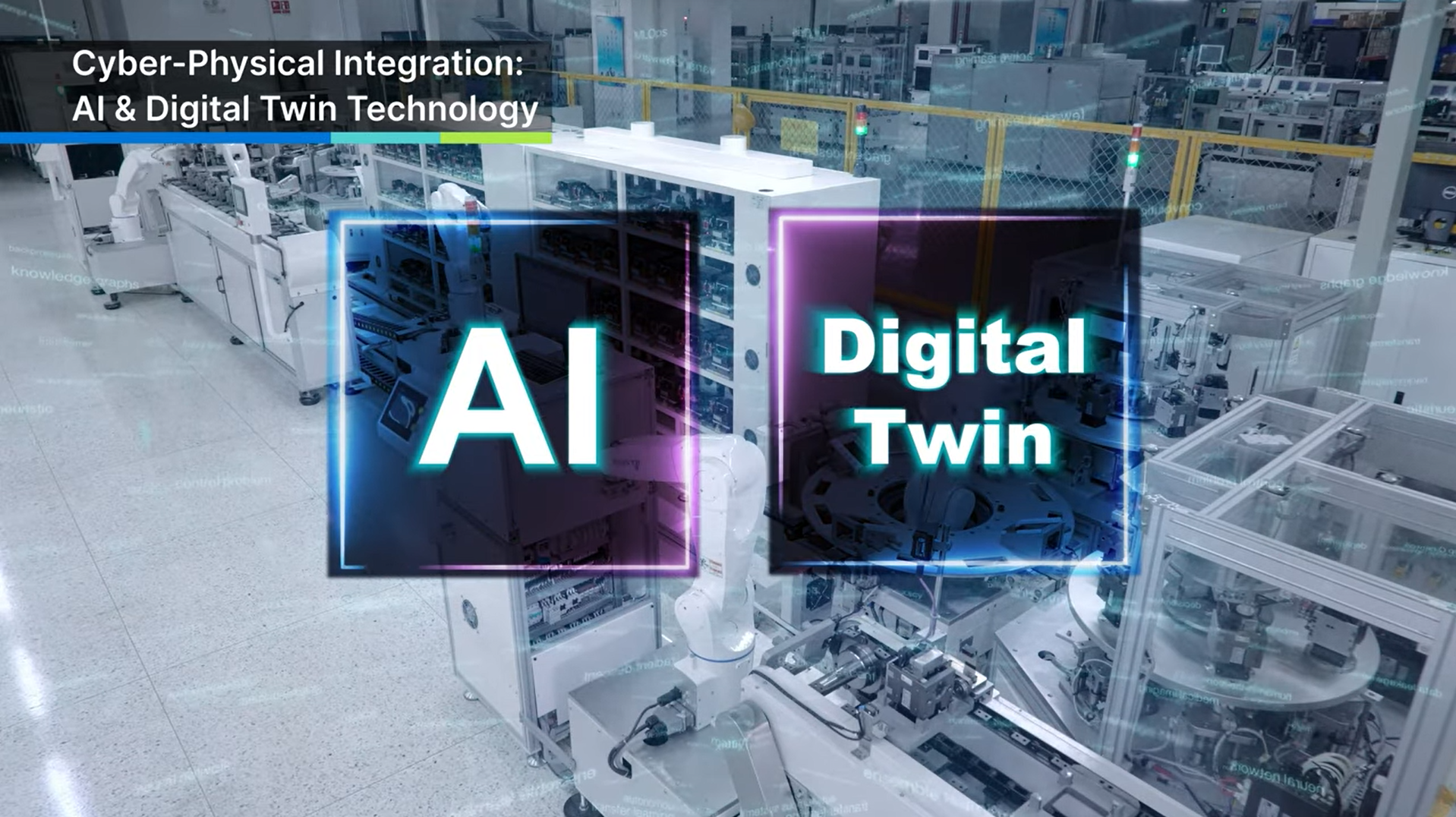
Industrial digital twins built on physics-based models solve modern manufacturing’s greatest New Product Introduction (NPI) challenge: achieving First-Time-Right (FTR) production from the very first run. Through production line virtual commissioning, physics-based simulation, and an open digital ecosystem, manufacturers are able to validate designs, optimize processes, and rapidly replicate success cases across sites worldwide.
NPI ranks among modern manufacturing’s greatest challenges. As manufacturers face increasing demand for high-mix, low-volume production and rapid product iteration, they must simultaneously deploy new equipment, processes, and production recipes that introduce significant complexity and require extensive onsite validation.
A manufacturer's competitive advantage today primarily depends on achieving FTR from the first production run. Commissioning the production line directly impacts time to market, so conventional NPI approaches that rely on physical trial-and-error simply cannot deliver the speed and agility required in today’s manufacturing.
Breaking NPI Bottlenecks with Line-Level Virtual Commissioning
By leveraging machine- and line-level digital twins, manufacturers shift left the validation process: cross-functional teams collaborate, validate designs, and make engineering decisions within a shared virtual environment built on a single source of truth.
Conventional NPI workflows keep design, mechanical, electrical, process, and facility engineering teams in separate environments using different tools and workflows. Without a unified virtual validation platform, these teams often delay system-level integration testing until they physically assemble equipment on the production floor.
When physical commissioning reveals issues such as mechanical interference, control logic conflicts, insufficient cycle time, or production bottlenecks, engineering teams must repeatedly adjust onsite—driving schedule delays and extra costs.
Line-Level Virtual Commissioning Workflow
Industrial digital twins fundamentally transform NPI.
- 1. Plan the Line
Create a complete virtual model covering the production line and equipment layout before physical deployment, giving cross-functional teams a common digital foundation to collaborate on a shared engineering model.
-
- 2. Simulate with Digital Twin
Integrate equipment kinematics, control logic, and process conditions to virtually commission and validate the entire production line before it enters production, all within the simulation environment.
-
- 3. Validate Line Performance
Analyze key performance indicators—including line balance, equipment utilization, and cycle time—to proactively identify throughput constraints before deployment.
-
- 4. Optimize Scenarios
Evaluate multiple equipment configurations and process alternatives rapidly to identify the optimal solution and achieve First-Time-Right execution when the physical production line goes live.
Manufacturers that combine high-fidelity physics models with virtual commissioning technologies reduce the gap between engineering design and physical implementation, shorten NPI lead times, and improve overall manufacturing efficiency.
From 3D Visualization to Engineering Decision-Making: Physics-Based Digital Twins and Digital Assets
A truly valuable digital twin integrates system dynamics, physics-based behavior, and control logic to accurately mirror how machines and manufacturing processes perform in the real world. In high-precision manufacturing, geometric visualization alone offers only a visual representation; it cannot support meaningful engineering decisions.
For example, Delta integrates physics-based digital twins (developed on its DIATwin virtual machine development platform) with the NVIDIA Omniverse
TM accelerated computing platform to extend virtual validation beyond visualization and deliver engineering-grade decision support.
This glue-dispensing scenario illustrates it in practice: the digital twin solution goes beyond simulating robotic motion trajectories, incorporating glue properties, dispensing conditions, and process parameters to predict material coverage and assess potential quality risks—such as overflow, voids, and nonuniform coating—before beginning physical trials.
Engineering teams combine equipment dynamics models with closed-loop virtual PLC validation to verify machine performance, control logic, and process cycle times before physical commissioning, significantly reducing uncertainty and risk during onsite startup.
More important, manufacturers preserve every validated equipment model, control strategy, recipe, and optimization result as a reusable digital asset. Manufacturers deploy these digital assets rapidly across different products, production lines, and global manufacturing sites, transforming accumulated engineering know-how into scalable and continuously reusable manufacturing capabilities.
Scaling from Machine Twins to Factory Twins: Building the Digital Foundation for Global Manufacturing
Delta DIATwin and NVIDIA Omniverse, built on the OpenUSD (Universal Scene Description) standard, connect tools, functions, and manufacturing sites in a single collaborative digital environment.
As digital twins scale from individual machines to entire production lines and full-scale manufacturing factories, data integration becomes the next critical challenge.
Engineering teams often rely on different CAD, CAE, and factory planning tools; but without a unified data architecture, inconsistencies in model formats and version management significantly limit how well digital twin implementations scale.
Through factory twins, manufacturers move beyond managing individual machines to establishing a closed-loop digital workflow that spans design, validation, production, and continuous optimization. This digital foundation enables manufacturers to rapidly replicate their designs and deploy globally.
- Single Source of Truth
Aggregate engineering data from diverse CAD platforms into a unified and consistent digital foundation.
- Physics-Based Integration
Integrate CAE analyses, physics-based simulation models, and manufacturing process data into a unified virtual environment.
- Factory Twin Collaboration
Build a high-fidelity factory twin so geographically distributed engineering teams collaborate in real time and continuously optimize manufacturing.
Conclusion: Keep Risks in the Virtual World and Create Value on the Production Floor.
Smart manufacturing is transitioning from experience-driven, onsite trial-and-error to physics-based, data-driven engineering decisions. An industrial digital twin’s value lies not in creating a visually impressive virtual factory, but in validating designs, optimizing processes, and eliminating risks before physical implementation.
More important, it transforms engineering expertise into reusable digital assets that manufacturers continuously leverage across future projects.
Manufacturers use this digital twin ecosystem—powered by Delta DIATwin, OpenUSD, and NVIDIA Omniverse—to shorten NPI cycles, enhance product introduction success rates, and rapidly deploy validated production capabilities across manufacturing sites worldwide.
Check Out the Full Digital Twin Series (So Far!)
From Reactive to Predictive, How AI Digital Twins Are Reinventing Building Automation
Human-Centric Thermal Control, Brought to You by Connected, Real-Time Intelligence
Automating Buildings with Digital Twins and AI Trained in a Virtual World
Use Field Data to Create Never-Ending Manufacturing
NVIDIA Omniverse and OpenUSD Enable Digital Twins to Evolve from Connected Models to Physical Intelligence
Take the Next Step with Delta and NVIDIA
Industrial digital twins provide the digital foundation for localized production, distributed manufacturing, and centralized operational management as global supply chains evolve toward distributed manufacturing. They empower manufacturers to transition from conventional trial-and-error practices to true First-Time-Right execution, unlocking faster innovation, greater operational resilience, and sustainable manufacturing excellence.
Explore how Delta’s line-level digital twin empowers distributed manufacturing and centralized management in this Delta DIATWIN | NVIDIA Omniverse video:
Smart Manufacturing: Shaping the Future
Follow us on LinkedIn
Q&A
Q: What manufacturing challenge do industrial digital twins solve?
A: They solve First-Time-Right (FTR) production—achieving correct output from the very first run. Physics-based digital twins enable manufacturers to validate designs, optimize processes, and replicate success across sites through virtual commissioning and simulation, rather than relying on physical trial-and-error.
Q: Why does conventional NPI struggle to keep pace with today's manufacturing demands?
A: Conventional New Product Introduction (NPI) relies on physical trial-and-error, which can't deliver the speed and agility manufacturers need. High-mix, low-volume production and rapid product iteration require manufacturers to deploy new equipment, processes, and recipes simultaneously, adding complexity and demanding extensive onsite validation.
Q: What causes delays in conventional NPI workflows?
A: Siloed engineering teams cause delays. Design, mechanical, electrical, process, and facility engineering typically work in separate environments with different tools, so system-level integration testing gets pushed until physical assembly—when issues like mechanical interference, control logic conflicts, or bottlenecks surface and force costly onsite rework.
Q: What are the four steps in a line-level virtual commissioning workflow?
A: The workflow follows four steps: (1) Plan the Line—build a complete virtual model of the production line and layout; (2) Simulate with Digital Twin—integrate kinematics, control logic, and process conditions to virtually commission the line; (3) Validate Line Performance—analyze KPIs like line balance, equipment utilization, and cycle time; (4) Optimize Scenarios—evaluate configurations to achieve First-Time-Right execution.
Q: How does a physics-based digital twin differ from simple 3D visualization?
A: A physics-based digital twin drives engineering decisions, while visualization alone only shows what something looks like. Delta integrates its DIATwin platform with NVIDIA Omniverse to model system dynamics, physics-based behavior, and control logic—delivering engineering-grade decision support rather than a purely visual representation.
Q: What is the biggest challenge as digital twins scale from individual machines to full factories?
A: Data integration becomes the critical bottleneck. Engineering teams typically use different CAD, CAE, and factory planning tools, and without a unified data architecture, inconsistent model formats and version management limit how well digital twin implementations scale.
Q: What technology foundation enables Delta and NVIDIA's factory twin approach?
A: Delta DIATwin and NVIDIA Omniverse are built on OpenUSD (Universal Scene Description), connecting tools, functions, and manufacturing sites in one collaborative digital environment—enabling a single source of truth, physics-based integration, and real-time factory twin collaboration across distributed teams.